by Robin Philip Robin Philip No Comments

Payments are being revolutionised by new digital money called stablecoins

Let’s break this down simply. The latest Blockchain Coinvestors newsletter is mostly about how payments are being revolutionised by new digital money called stablecoins, and why this is a big deal.

Think of it like this:

  • Just like we digitised messages and content with the internet, we are now digitising money.
  • The way we pay for things now is old and complicated, like a tangled mess of wires. It’s often slow, expensive, and not very secure.
  • The newsletter suggests that a better way to pay online would be something designed specifically for the internet – quicker, cheaper, and safer.
  • Stablecoins are presented as this new, better way. They are a type of digital money that is often linked to the value of a real-world currency like the US dollar.
  • Because they use the technology behind things like Bitcoin (called blockchain or distributed ledger technology), stablecoins can move value directly between people online without needing traditional banks in the same way. This makes them useful for things like sending money to family overseas or even very small payments.
  • The newsletter highlights that stablecoin usage is growing very quickly, with transaction volumes already bigger than major credit card companies. Many people who didn’t have access to traditional banking can now use stablecoins.
  • Tether is mentioned as a leading company in the stablecoin world.
  • The newsletter believes that stablecoins are the future of payments and will pave the way for other digital innovations in finance. They expect more stablecoins to be created and used for different purposes.
  • For the company that wrote this newsletter (Blockchain Coinvestors), this shift towards digital payments is a big investment opportunity.

In short, Blockchaincoinvestors argue that the current payment system is outdated, and US dollar-backed stablecoins running on blockchain technology offer a much better, internet-native way to move money around the world. This is seen as a fundamental change in commerce and finance.

Thank you to Blockchaincoinvestors.com for inspiration for this blog post

by Robin Philip Robin Philip No Comments

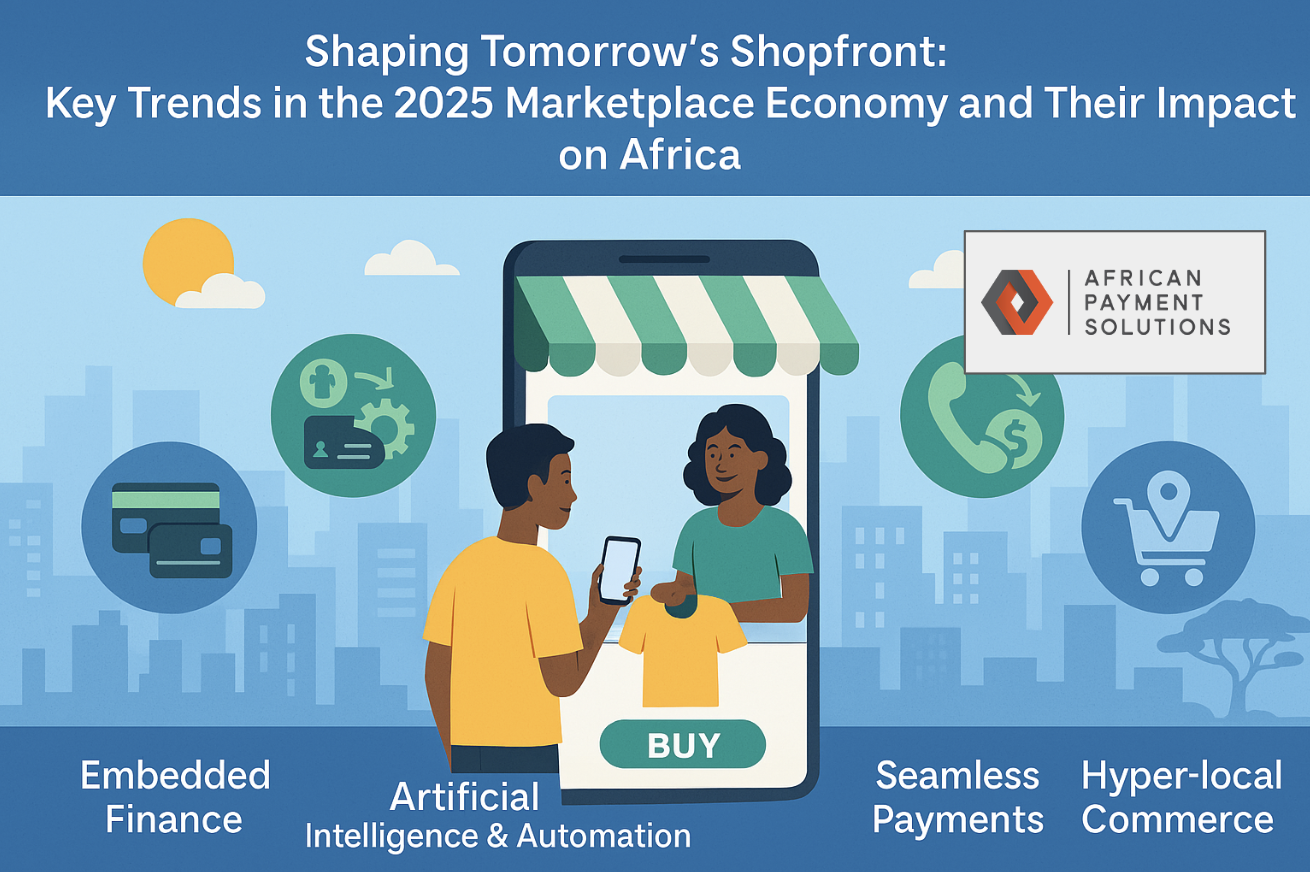
Shaping Tomorrow’s Shopfront: Key Trends in the 2025 Marketplace Economy and Their Impact on Africa

The digital marketplace continues its relentless evolution, and as we look towards 2025, several key trends are poised to reshape how we buy and sell online. These shifts will have profound implications globally, and particularly within the dynamic landscape of African marketplaces. Let’s delve into the major forces at play and consider their potential impact.

One of the most significant trends highlighted across the sources is the rise of Embedded Finance. Marketplaces are increasingly looking to integrate financial services directly into their platforms, moving beyond simply facilitating transactions. This includes offerings like in-platform lending, insurance, investment options for sellers, and even Buy Now, Pay Later (BNPL) solutions. This is particularly relevant for African marketplaces, where access to traditional financial services may be limited. The integration of such features can foster greater financial inclusion, enabling both merchants and consumers in smaller towns and rural areas to participate more actively in the digital economy. Wallet-driven ecosystems, as suggested by Francesc Altisent from Mangopay, could be instrumental in delivering these embedded services seamlessly within the marketplace interface.

Another powerful force shaping the future is Artificial Intelligence (AI)-driven personalisation and automation. From enhancing product recommendations and customer service to optimising checkout experiences and detecting fraud, AI is set to become even more pivotal. Abdesselam Benzitouni of Jumia notes that consumers expect more personalised shopping experiences, and marketplaces leveraging AI for this will gain a competitive edge. For African marketplaces, AI can help overcome logistical challenges and cater to diverse consumer needs across vast geographical areas. AI-powered personalisation can also make online shopping more appealing and relevant to local preferences. However, Marius Galdikas, CEO at ConnectPay, cautions about the immediate transformative impact of AI due to the energy requirements and regulatory unease around its “black box” nature.

The demand for seamless and instant payouts is also a growing trend. As platforms compete for user trust and engagement, integrating instant, frictionless transactions will become a critical differentiator. Max Lehmann from Nium highlights that business sellers, regardless of location, will expect instant cross-border payments. While the lack of common global payment rails currently makes closed-loop systems attractive for faster, reliable transfers, the increasing adoption of real-time payment infrastructures across regions could change this. For African marketplaces facilitating cross-border trade or serving sellers in remote areas, efficient payout mechanisms are crucial for building trust and encouraging participation.

Hyper-local commerce is identified as an increasingly important aspect. Consumers are looking for more locally relevant experiences, and marketplaces that can cater to these needs will likely thrive. Irene Skrynova from Unlimit also points to hyper-personalisation as redefining marketplace payments. Abdesselam Benzitouni of Jumia specifically mentions that the marketplace economy in 2025 will be increasingly shaped by hyper-local commerce. This trend aligns well with the diverse and localized nature of many African markets. Marketplaces that can effectively connect local buyers and sellers and offer tailored services will be well-positioned for growth.

The rise of social commerce will also continue to redefine how consumers interact with brands and make buying decisions. Platforms will increasingly integrate seamless in-app shopping experiences. Emre Talay from Payrails notes that social commerce is reshaping how people discover and transact. African marketplaces can leverage the widespread use of social media across the continent to tap into new customer bases and create more engaging shopping experiences.

Cross-border growth remains a significant revolution in the marketplace economy. Maria Parpou from Mastercard Gateway states that a staggering 75% of cross-border transactions occur through marketplaces, and this percentage is expected to rise. To remain competitive, marketplaces must expand their payment methods to include local wallets and domestic schemes. For African marketplaces, this presents both opportunities and challenges. The ability to facilitate seamless cross-border transactions can unlock access to larger markets and a wider range of products. However, it also necessitates navigating diverse payment landscapes and regulatory environments.

It’s important to note the increasing focus on infrastructure and the potential for increased competition. Marketplaces are moving towards more flexible setups with multi-acquirer options and local payment methods. At the same time, heightened competition could lead to higher user acquisition costs. Dorota Wróbel from G2A.COM suggests that value-added services for both sellers and buyers will be key differentiators. African marketplaces will need to focus on building robust and adaptable infrastructures while also offering unique value propositions to stand out in a potentially crowded space.

Finally, the importance of digital payments and financial inclusion cannot be overstated, particularly in the African context. Mobile wallets, BNPL solutions, and alternative payment methods are already driving more online transactions in smaller towns and rural areas. This trend is likely to continue, and marketplaces that can effectively cater to these diverse payment preferences will be better positioned for success.

In conclusion, the marketplace economy in 2025 will be characterised by embedded finance, AI-driven personalisation, seamless payments, a focus on local needs, the integration of social commerce, and continued cross-border expansion. For African marketplaces, these trends present significant opportunities to enhance financial inclusion, cater to diverse consumer preferences, and facilitate both local and international trade. However, navigating regulatory landscapes, building robust infrastructure, and differentiating themselves in a competitive environment will be crucial for sustained growth and impact.


by Robin Philip Robin Philip No Comments

Affordable Data: A Catalyst for eCommerce Growth in Africa

The affordability of mobile data is a significant factor driving eCommerce growth in Africa. Many African countries offer data prices below the global average, making internet access more accessible to a larger population.

This has several implications for eCommerce businesses:

  • Increased Smartphone and Internet Penetration: Lower data costs encourage smartphone adoption and internet usage, creating a larger pool of potential eCommerce customers.
  • Effective Digital Marketing: Businesses can reach a wider audience through targeted digital marketing campaigns without incurring high data costs for their customers.
  • Growth of Mobile Payments: Affordable data facilitates the use of mobile payment platforms, crucial for eCommerce success in many African markets.

eCommerce businesses will achieve organic growth as a result of this growing digital market in Africa.

#AfricanEcommerce #MobileData #DigitalMarketing #MobilePayments #InternetAccess

by Robin Philip Robin Philip No Comments

Can Agentic AI Make eCommerce Truly Borderless?

🚀

Cross-border eCommerce is booming — but it’s still burdened by high fees, slow payments, and regulatory friction.

Now imagine this:

🤖 AI agents that act on behalf of merchants and buyers —
🌐 negotiating prices, optimizing payments, handling taxes, and managing shipping
📦 across borders, in real time, without ever needing to sleep or send an email.

This isn’t science fiction — it’s the next evolution of intelligent, decentralized commerce.

Here’s how agentic systems can help create borderless eCommerce:

1️⃣ Autonomous Customer Agents: Shop globally like a local.
2️⃣ Smart Compliance & Tax Handling: Automate the legal maze.
3️⃣ Real-Time FX Optimization: Settle in the fastest, cheapest way — in fiat, crypto, or stablecoins.
4️⃣ Decentralized Payment Rails: No middlemen, just instant value transfer.
5️⃣ AI-Powered Supply Chains: Respond instantly to disruption, delays, or demand spikes.

🔗 When combined with blockchain, decentralized identity, and programmable money, AI agents don’t just enhance global commerce — they reshape it.

This is the future we’re building toward:
🛒 eCommerce without borders
💸 Payments without intermediaries
🤝 Trade without friction

Let’s connect.

#AgentEconomy #BorderlessCommerce #AI #Web3 #eCommerce #Fintech #CrossBorderPayments #CryptoMondays #DAIAA

by Robin Philip Robin Philip No Comments

Supercharge Your Sales & Security: Top 5 Tokenisation Perks for Online Shops

In today’s digital marketplace, offering a secure and smooth online shopping experience is vital. Tokenisation is a game-changing technology that’s enhancing online payments. Here are the top 5 advantages for your eCommerce business:

  • Ramp Up Security and Slash Fraud: Tokenisation swaps sensitive card data (PAN) for unique, random tokens. These tokens are useless to cybercriminals, significantly reducing your risk of data breaches. Tokenisation can cut card-not-present (CNP) fraud by up to 26% and averages a 30% reduction online compared to using PANs. This builds customer trust and protects your bottom line.
  • Unlock Higher Authorisation Rates for More Sales: Tokenised transactions often see improved authorisation rates because they can provide issuers with richer data. Visa data indicates an average 3% increase in authorisation rates for CNP transactions using tokens. Bolt experienced token authorisation rates of 95.9% versus 90.8% for PANs. This means fewer failed transactions and more completed sales.
  • Delight Customers with Effortless Checkout: Tokenisation enables one-click checkout for returning customers thanks to card-on-file tokens. What’s more, automatic updates of tokenised card details for expired or replaced cards ensure uninterrupted service for subscriptions and recurring payments. This smoother experience leads to less cart abandonment and happier, more loyal customers.
  • Simplify Operations with Automated Lifecycle Management: Managing outdated card details can be a headache. Tokenisation automates this process with issuers updating token details in the background when cards expire or are replaced. This reduces the need to chase customers for new information and streamlines your operations.
  • Trim PCI DSS Scope and Costs: The PCI DSS demands strict security for handling cardholder data. By adopting tokenisation and avoiding the storage of actual PAN data, you can potentially significantly reduce your PCI DSS compliance burden, costs, and complexity. This frees up resources to focus on growing your business.

Considering the ever-increasing sophistication of online fraud and the demand for seamless online shopping, how confident are you that your current payment system is fully optimised to safeguard your business and maximise your sales conversions?

by Robin Philip Robin Philip No Comments

A New Dawn for African Banking and Payments: The Merging of Fiat and Crypto

The global financial landscape is witnessing a fascinating evolution, with discussions around blockchain-based ecosystems and established payment giants exploring innovative ways to handle transactions. Recent news, such as the potential collaboration between Sam Altman’s World Network and Visa for stablecoin payments, offers a glimpse into a future where digital currencies seamlessly integrate with traditional financial infrastructure. For African Payment Solutions, this signals a significant opportunity to revolutionise banking and payments for consumers across the continent by embracing the merging of fiat and crypto.

Imagine a scenario where your digital wallet functions as a “mini bank account”, allowing you to hold both traditional fiat currencies and stablecoins. This vision, hinted at by the developments surrounding World Network, could become a reality in Africa, offering a powerful new paradigm for financial services.

What does this merging of fiat and crypto mean for African consumers?

  • Enhanced Financial Inclusion: Millions of unbanked and underbanked individuals across Africa could gain access to a broader range of financial services through stablecoin-enabled wallets. These wallets, potentially linked to card functionalities, could bypass the need for traditional bank accounts for everyday transactions.
  • Seamless Cross-Border Payments: The ability to send and receive money across borders efficiently and affordably is a critical need in Africa. Stablecoins, designed to maintain a stable value, can facilitate faster and cheaper cross-border transactions compared to traditional methods, reducing reliance on correspondent banking networks.
  • Lower Transaction Costs: Traditional payment systems often involve multiple intermediaries, leading to higher transaction fees. By leveraging blockchain technology and stablecoins, transaction costs could be significantly reduced, benefiting both consumers and merchants.
  • Greater Flexibility and Choice: Consumers could have more control over their funds and the methods they use to pay and receive money. The integration of fiat and crypto within a single wallet would offer flexibility in choosing the most suitable currency for different transactions.
  • Access to a Wider Range of Fintech Applications: As seen with World Network’s announcement of a World Chat application with crypto-based money transfer capabilities, the convergence of crypto and traditional finance can unlock new and innovative fintech applications, catering to the specific needs of African consumers.

The potential collaboration between a blockchain-based network like World Network and a major card network like Visa to enable stablecoin-based payments at thousands of merchants highlights the direction in which the global payments ecosystem is moving. For African Payment Solutions, understanding and leveraging these trends is crucial. By exploring partnerships with crypto card facilitators and embracing the development of interoperable wallets that can handle both fiat and stablecoins, we can pave the way for a more inclusive, efficient, and affordable financial future for African consumers.

The journey of merging fiat and crypto in Africa is just beginning, but the potential benefits are immense. By embracing innovation and collaboration, African Payment Solutions can be at the forefront of this transformative wave, empowering individuals and businesses across the continent with a new era of banking and payments.

by Robin Philip Robin Philip No Comments

 Navigating Cross-Border Payments in Africa: Is Crypto the Future? 
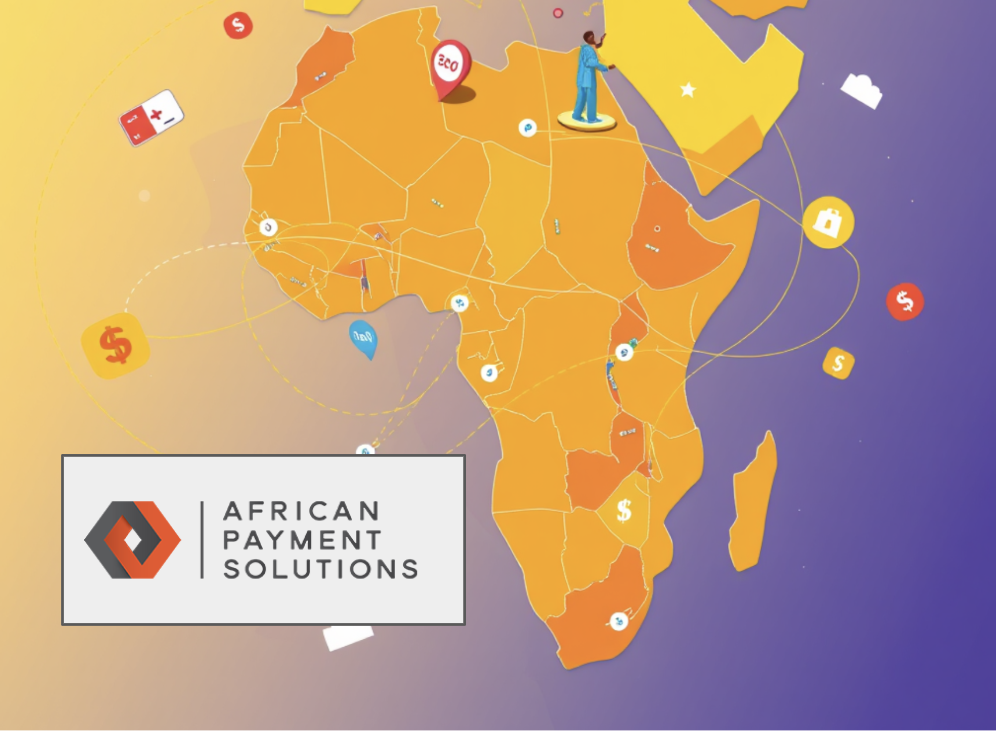
💡 Navigating Cross-Border Payments in Africa: Is Crypto the Future? 💡

The recent $82 million funding round for crypto payments infrastructure company Mesh highlights a significant trend that multinational e-commerce merchants trading across Africa should be paying close attention to. Mesh enables users to pay with crypto assets at merchants accepting stablecoins, and their 300% quarter-on-quarter transaction volume growth indicates a clear appetite for these solutions. As Mesh CEO Bam Azizi states, “we believe that at some point we will have more crypto owners than bank account holders and credit card holders… [building] a payment network that can help move money faster, better, and cheaper”.

For e-commerce businesses facing challenges with traditional payment rails in diverse African markets, integrating with crypto payment infrastructure could unlock faster, more cost-effective transactions and access a growing base of crypto-savvy consumers.

Considering the limitations of traditional banking in some regions, could stablecoins be a key to streamlining your African operations? 

Contact us now for repatriation of your merchant funds to your home country and currency.

#ecommerce #africa #payments #cryptocurrency #stablecoins #fintech

Thank you for inspiration to https://tokenizednewsletter.beehiiv.com/p/crypto-acquisitions-hit-all-time-highs

by Robin Philip Robin Philip No Comments

 Exciting news for multinational eCommerce merchants trading in Africa!  The Pan-African Payment and Settlement System (PAPSS) is transforming cross-border payments across the continent.

📢 Exciting news for multinational eCommerce merchants trading in Africa! 🌍 
The Pan-African Payment and Settlement System (PAPSS) is transforming cross-border payments across the continent.

Here’s what this means for your business:

  • Simplified Payments: Say goodbye to the historical complexities and costs associated with foreign exchange for cross-border transactions. PAPSS will simplify the entire process.
  • Instant/Near-Instant Payments: Experience faster transactions with instant or near-instant transfers of funds between you and your customers, regardless of their location in Africa.
  • Local Currency Transactions: Payments will be made in local currencies, eliminating the hassle and costs of currency conversion for both you and your customers.
  • Reduced Costs: PAPSS will reduce the costs associated with cross-border payments, leading to operational efficiencies and increased profitability.
  • Improved Working Capital: Benefit from payment certainty and faster transaction times, leading to improved working capital management.
  • Access to New Markets: PAPSS can help unlock economic opportunities by making cross-border trade easier and more efficient, facilitating access to new African markets.
  • Growing Network: PAPSS is bringing together a growing network of banks, payment service providers, and other financial intermediaries across Africa, expanding reach and payment options.

PAPSS is a game-changer for cross-border trade in Africa, offering a secure and efficient financial market infrastructure. By connecting African banks and payment service providers, it will enable instant and secure payments in local currencies. This is a significant step towards accelerating Africa’s trade and creating a more interconnected and prosperous continent.

Contact us to learn more about how your multinational eCommerce business can benefit from interconnected payment services!

#PAPSS #Africa #eCommerce #CrossBorderPayments #Fintech #Trade #GlobalCommerce

by Robin Philip Robin Philip No Comments

Exactly How Has the Expiring Card Problem been Solved for Recurring Billing and Subscriptions?

Here’s a blog post explaining exactly how the expiring card problem has been solved with card-on-file tokenisation:

Say Goodbye to Expired Card Headaches: How Tokenisation Keeps Payments Seamless

For e-commerce merchants, one of the most persistent and frustrating issues has been dealing with expired credit cards for customers with saved payment details. Whether it’s for subscription services, recurring payments, or simply a returning customer’s convenience, outdated card information leads to failed transactions, lost revenue, and a poor customer experience. Thankfully, modern payment technology, specifically card-on-file tokenisation, offers a robust solution to this long-standing problem.

So, how exactly does tokenisation solve the expiring card dilemma? Let’s break it down:

Instead of directly storing your customers’ sensitive Primary Account Numbers (PANs) – their 16-digit card numbers – card-on-file tokenisation replaces this data with a unique, randomly generated identifier called a token. This token is essentially a placeholder for the actual card details.

The crucial innovation lies in how these tokens are managed, particularly when a card expires or is replaced due to loss or theft. Traditionally, when a customer’s saved card expired, the merchant would have to rely on the customer to manually update their information. This often led to forgotten updates, failed payments, and customer churn.

With card-on-file tokenisation, the process is far more streamlined and often completely invisible to both the merchant and the customer. Here’s how it works:

  • When a customer’s card on file is tokenised, a link is created between the merchant (the token requestor) and the cardholder’s credential. This link, and the associated token, are managed by the card issuer (the bank).
  • The issuer actively monitors the lifecycle of the underlying card. When a card is due to expire or a new card is issued (for example, due to the old one being reported lost or stolen), the issuer updates the linking to the token.
  • The token itself remains active and valid, even though the physical card number and expiry date have changed.
  • When a subsequent payment is initiated using the token, the updated card details are automatically retrieved and used by the payment processor behind the scenes.

This means that for services like subscription boxes or monthly software fees, customers no longer need to manually update their payment information when their card expires. The transition to their new card is seamless, ensuring uninterrupted service and preventing failed payments.

As Phillip mentioned in our conversation, this is a “massive benefit because you don’t have all those expiring cards and things like that”. Nikhil from Visa confirmed that the bank or issuer manages the linking from the old card to the new card and to the token, maintaining the vault and updating the linking automatically.

Key benefits for merchants include:

  • Reduced churn: Fewer failed payments due to expired cards mean fewer lost subscriptions and repeat business.
  • Improved customer experience: Customers enjoy a hassle-free experience without the need to remember to update their payment details.
  • Increased revenue: Fewer failed transactions directly translate to more successful payments and higher revenue.
  • Reduced operational overhead: Your team spends less time dealing with declined payments related to expired cards.

In essence, card-on-file tokenisation takes the burden of managing expiring card details away from both the merchant and the customer. By ensuring that the underlying payment information associated with a token is automatically updated by the issuer, this technology delivers a smoother, more reliable payment experience that benefits everyone involved. It’s a significant step forward in creating truly seamless e-commerce transactions.

by Robin Philip Robin Philip No Comments

We’ve implemented Visa’s card-on-file tokenisation for eCommerce merchants

Here’s a short, bulleted overview of the benefits of card-on-file tokenisation for merchants:

  • Enhanced Security: Replaces sensitive PAN data with tokens, reducing fraud risk.
  • Improved Customer Experience: Automatic card updates for recurring payments prevent disruption. Faster checkout for returning customers.
  • Higher Authorisation Rates: Tokenised transactions see a higher approval rate than PAN-based ones.
  • Reduced Fraud: Significantly lowers card-not-present (CNP) fraud.
  • Avoid Visa Fines: Tokenisation helps avoid “behavioural fines” on PAN-based transactions.
  • Simplified PCI Compliance: Reduces exposure to sensitive card data, potentially easing compliance efforts.
  • Future-Proof Payments: Aligns with the industry trend towards tokenisation.
  • Increased Sales: Higher authorisation rates and reduced cart abandonment can lead to increased revenue.
  • Better Data Insights (potentially): Linked tokens can offer a unified view of customer transactions.
  • Competitive Advantage: Offering modern, secure payment options can attract more customers.

Contact us to get tokenised now!